2026-02-18•5 min read

The "Empty Wallet" Problem
In Week 3 (Academy), we explained how User A sends a gift to User B. But there is a catch. If User B is new to crypto, his wallet is empty. He has 0 $MON. It's a "Chicken and Egg" problem.
The Solution: Meta-Transactions
Lambda solves this with a Relayer Network. Instead of User B talking to the blockchain directly, User B talks to a "Relayer."
The Workflow
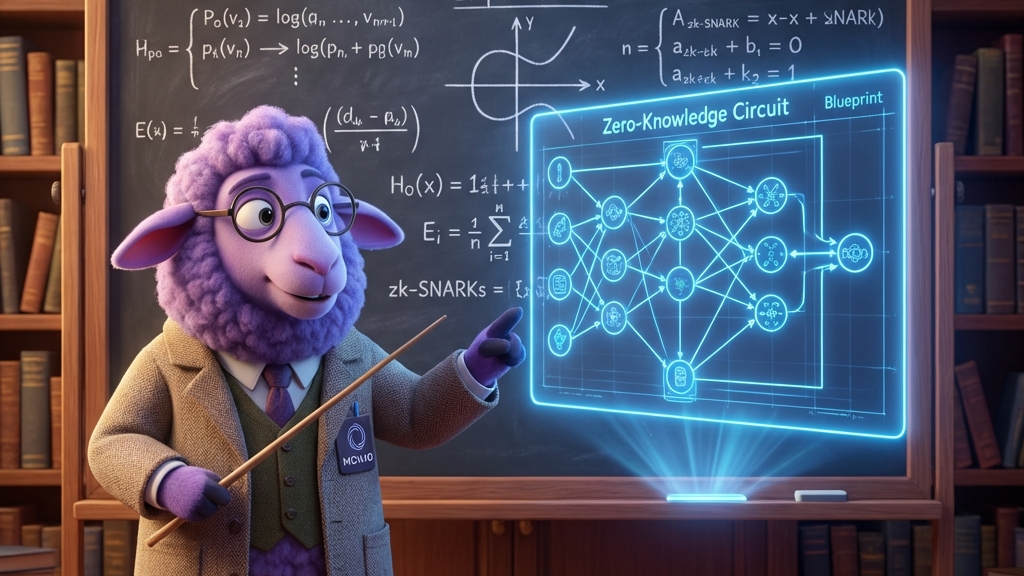
- User B Generates a Proof: As explained in ZK Architecture, User B's browser creates a
Groth16proof that he owns the gift. - User B Signs a Request: User B signs a message saying: "I want to claim this gift to address 0xUserB...".
- User B Sends to Relayer: User B sends this Proof + Signature to the Relayer (over HTTP, not blockchain).
- Relayer Executes: The Relayer wraps User B's proof in a transaction, pays the gas fees in $MON, and submits it to Monad.
- Contract Verifies: The Lambda Contract checks the proof. If valid, it sends the gift to User B and refunds the Relayer for the gas (plus a small fee).
Why This is Revolutionary
For the end user, this is Magic.
- User B clicks a link.
- User B gets funds.
- User B never bought gas.
This removes the biggest friction point in crypto adoption: Onboarding.
Can the Relayer Steal the Gift?
No. The Relayer only sees a Zero-Knowledge Proof.
- They cannot change the destination address (because the signature locks it).
- They cannot steal the funds (because they don't know the Secret).
- They can only submit the transaction or do nothing.
If a Relayer refuses to submit? User B just uses another Relayer. The network is decentralized.
Next Up: Security & Solvency - How we prevent money from being printed out of thin air.